How Long Does An Ideal Logic Boiler Survive With Real-World Use?
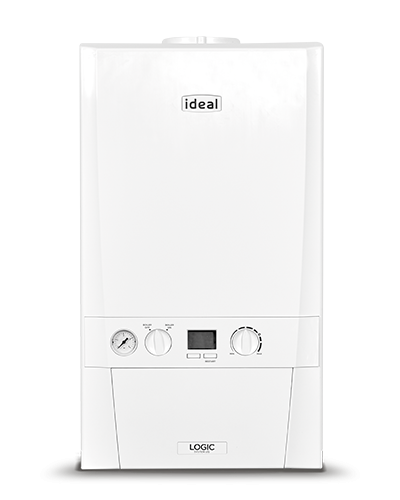
An Ideal Logic combi boiler has an expected real-world lifespan of 10 to 13 years, rarely surviving to the 15-year industry benchmark without immaculate water treatment from day one. While marketing brochures cite 15 years, field data confirms component fatigue accelerates dramatically once these budget units cross the decade threshold.
Ideal manufactures the Logic with a cast aluminium alloy primary heat exchanger, which is highly vulnerable to galvanic corrosion and sludge accumulation. Without strict chemical inhibition and magnetic filtration, ageing units routinely suffer cracked condensate sumps, failing PCBs, and restricted waterways. Once severe kettling or heat exchanger pin-holing occurs past year 10, expensive repairs make commissioning a new boiler installation significantly more economical than nursing degraded components.
The "Aluminium Factor": Why Maintenance Dictates Logic Lifespans
At the core of every Ideal Logic sits a cast aluminium-silicon alloy heat exchanger. While thermally responsive, aluminium demands rigorous water chemistry. Modern hydronic circuits combine this aluminium block with copper pipework and pressed steel radiators, creating an active galvanic couple. Without continuous chemical passivating agents like Sentinel X100 or Fernox F1, electrolytic corrosion rapidly strips the softer aluminium alloy.
Aluminium is chemically amphoteric; it degrades aggressively if circulating system water drifts outside a strict 6.5–8.5 pH band. Depleted inhibitor levels trigger rapid pitting, oxide scale buildup, and restricted internal waterways. Magnetite sludge deposits subsequently insulate the heat transfer surfaces, causing severe localised overheating, kettling, and thermal stress fractures.
Neglecting water quality can easily cut the Logic's operational life in half. Booking a thorough annual Ideal boiler servicing, complete with inhibitor strength testing, pH checks, and magnetic filter cleansing, remains the single non-negotiable factor in preventing premature heat exchanger failure.
4 Terminal Signs Your Ideal Logic is Approaching End-of-Life
When an Ideal Logic passes the 10-year threshold, isolated component wear quickly gives way to systemic failure. If an aging unit exhibits these four symptoms, it is operating on borrowed time:
- Chronic F1, F2, and L2 Lockouts: Intermittent F1 codes signal unresolvable hydraulic pressure loss from micro-pinholing or failed expansion vessels. Recurring F2 (flame loss) and L2 (ignition lockout) faults point to degraded spark electrodes, failing gas valves, or solder fatigue across the main PCB.
- Cracked Condensate Sump: A notorious weak spot on older Logics. Cyclic thermal stress degrades the molded plastic sump, resulting in acidic condensate weeping onto the internal base tray. This corrosive leakage rapidly destroys internal wiring looms and lower casing integrity.
- Violent Kettling and Waterway Choking: Harsh rattling, banging, or whistling during burner ignition indicates severe magnetite and limescale fouling within the aluminium casting. These localised hot-spots cause severe metal fatigue; power-flushing an aged casting rarely clears severely restricted waterways.
- Crossing the Economic Repair Threshold: Sinking capital into another emergency boiler repair for a replacement PCB, diverter valve, or fan assembly past year 10 is a false economy. When consecutive repair quotes exceed 50% of a replacement unit's value, the boiler has reached terminal obsolescence.
The 8-Year Economic Crossroad (Repair vs. Replace)
Applying the standard trade "50% rule" clarifies the financial arithmetic: if a single repair quote exceeds 50% of the boiler's residual value, or cumulative maintenance tops £400 on an aging system, repairing is a sunk-cost trap.
On a 9-year-old, out-of-warranty Ideal Logic, spending £350 to replace a scorched PCB or sticking gas valve does not reset the clock. The fan bearings, diverter cartridge, and aluminium heat exchanger carry identical thermal mileage and sit right behind it in the failure queue.
Compounding this is hidden thermal degradation. Sludge accumulation and scaled waterways quietly drag an older Logic’s operational efficiency down toward the low 80% mark. That heat transfer loss bleeds an extra £20 to £35 monthly in wasted gas, capital far better deployed servicing low-interest financing on a modern A-rated installation. Sourcing transparent boiler replacement quotes provides predictable monthly outlays backed by a fresh 10-year warranty, ending rolling component triage for good.
How to Squeeze 3 More Years Out of a Healthy Logic
If your Ideal Logic is under seven years old, aggressive preventative measures will prevent early scrap-heap retirement. Implement these three non-negotiable protocols:
- Commission a magnetic system filter installation on the return pipework. Capture circulating magnetite and black iron oxide before it plates out inside the narrow aluminium waterways. Strip and flush the filter canister during every service.
- Maintain strict water chemistry with continuous chemical passivators. Dose the system with Sentinel X100 or Fernox F1. Verify inhibitor concentration and system pH annually using a calibrated test kit; re-dose immediately following radiator bleeding, draining, or pressure top-ups.
- Book an exhaustive annual service with a Gas Safe registered engineer. Mandate a full flue gas analysis across both firing rates, verify expansion vessel charge, inspect the burner door seal, and clean the condensate trap to eliminate corrosive back-pressure.
Frequently Asked Question
What is the typical lifespan of an Ideal Logic boiler?
A standard Ideal Logic boiler typically lasts between 10 and 13 years in real-world conditions. While some units can reach 15 years, this requires pristine water quality, a magnetic system filter, and strict annual chemical inhibitor maintenance.
Does the Ideal Logic have an aluminium or stainless steel heat exchanger?
Ideal Logic boilers use an aluminium alloy primary heat exchanger. While lightweight and highly conductive, aluminium is more susceptible to galvanic corrosion than stainless steel if the central heating inhibitor levels are allowed to drop.
Is it worth repairing an 8-year-old Ideal Logic boiler?
It depends on the fault. Minor sensor replacements are worthwhile, but if a major component like the PCB, gas valve, or a cracked condensate sump fails on an out-of-warranty 8-year-old unit, replacement is often the more economical choice due to cumulative repair costs.
Why is my older Ideal Logic boiler making a kettling noise?
Kettling noises in an Ideal Logic usually indicate that limescale or magnetite sludge has built up inside the aluminium heat exchanger. This restricts water flow, causes localised boiling, and signals that the boiler's lifespan is significantly compromised.
What does an F1 fault code mean on an ageing Ideal boiler?
An F1 fault code indicates low water pressure. If this happens frequently on an older Ideal Logic, it often points to a failing expansion vessel, a passing pressure relief valve (PRV), or a hidden leak within the heating system.