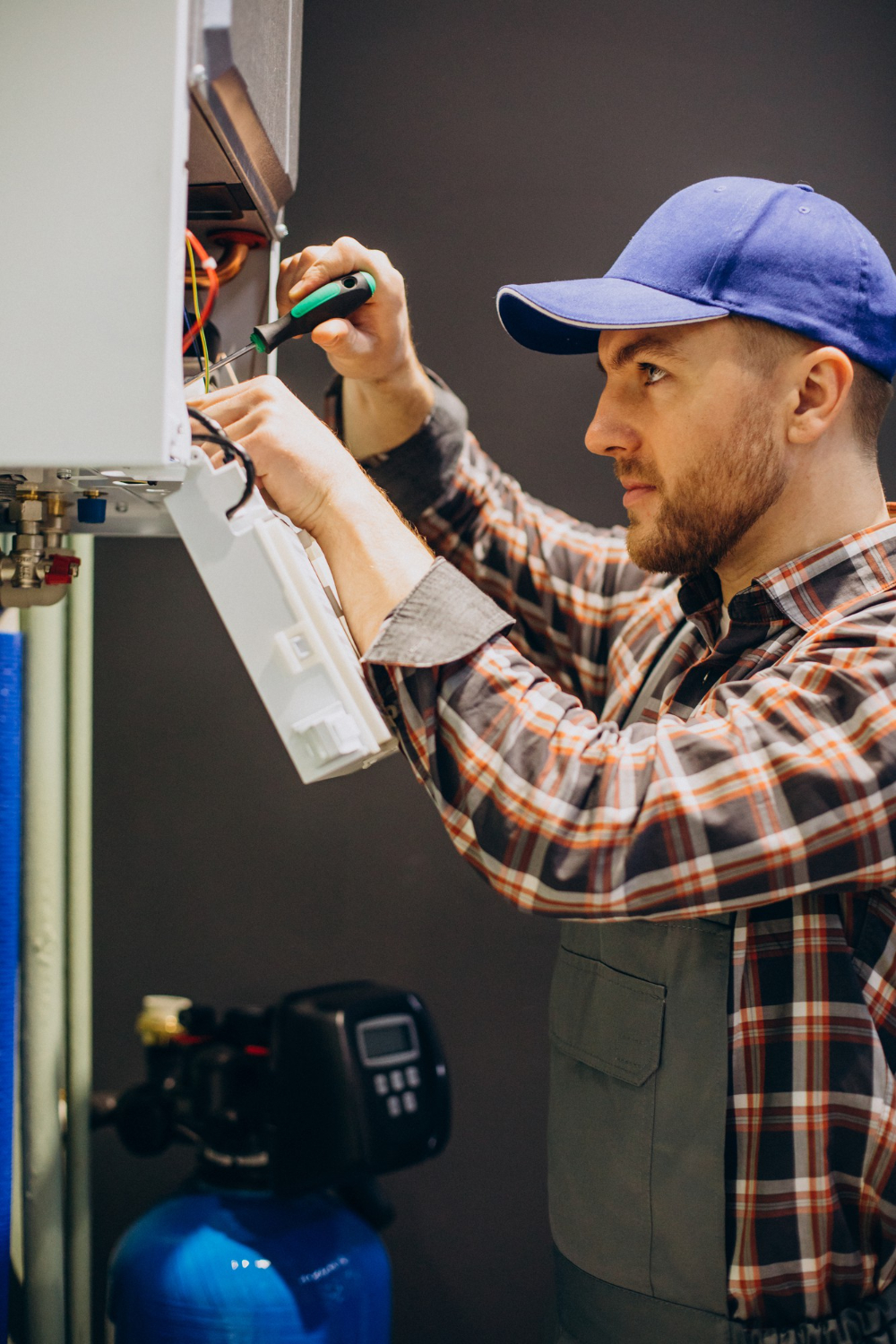
Is Your Boiler Overheating?
Warning Signs Every Grimsby Homeowner Should Know
As the nights get colder in Grimsby, we rely on our boilers more than ever. But like any hard-working machine, a central heating system can under extreme stress. One of the most serious and unfortunately common issues we encounter at iWarm is an overheating boiler.
A boiler that gets too hot isn’t just inefficient; it can be dangerous. Modern boilers have safety mechanisms designed to shut the unit down before things get critical, but knowing the early warning signs can save you from an expensive breakdown and keep your home safe.
Here is what you need to look (and listen) out for.
The Symptoms: How to Tell If Your Boiler is Overheating
If you notice any of the following, it’s time to call in a qualified gas engineer in Grimsby.
1. Kettle on the Boil? (Boiler Kettling)
The most common sign of an overheating boiler is a very distinct noise. If your boiler sounds like an old-fashioned kitchen kettle boiling (a loud, high-pitched whistling or rumbling sound), this is called “kettling.”
This happens when the water inside the heat exchanger (the part that gets hot) cannot move quickly enough. The trapped water begins to boil and turn to steam, causing localized high pressure and that infamous whistling noise.
2. Rattling, Banging, or Gurgling
While some noise is normal, loud banging or vibrating sounds generally indicate an issue. Water might be turning to steam and collapsing, or there might be an issue with the pump failing to move the hot water away from the boiler quickly enough.
3. The Boiler Keeps “Locking Out”
Does your boiler frequently shut down on its own and require a manual reset? This is known as a “lockout.” When a boiler overheats, the limit thermostat detects the dangerous temperature and cuts the power to prevent an explosion or fire. If your boiler keeps clicking off, it’s likely running too hot.
4. High Pressure Readings
Check the pressure gauge on the front of your boiler (it usually looks like a small clock with a red and green zone). It should ideally be between 1 and 1.5 bar. If the needle is constantly creeping up into the high red zone, it is a sign of excessive heat expansion.
Behind the Heat: Why is My Boiler Overheating?
Understanding why your boiler is running too hot can help you take the right preventative steps. Usually, it comes down to a lack of circulation.
Blocked Plate Heat Exchangers
In modern combi boilers, the plate heat exchanger is a core component that heats your domestic hot water. Over time, rust and debris (sludge) from your radiators can travel into this delicate component, causing a blockage.
When the plate is blocked, the water inside cannot flow; it simply sits there getting hotter and hotter until the boiler locks out. Searching for boiler repair in Grimsby to replace a blocked heat exchanger is a very common winter request.
A Faulty Pump
If the pump, which circulates the hot water around your heating circuit, fails or slows down, the heat generated by the burner has nowhere to go. This causes a rapid spike in temperature inside the boiler unit.
Prevention is Better Than Cure: How iWarm Can Help
The good news is that overheating is largely preventable through regular maintenance. Here is how you can protect your heating system:
1. The Importance of Annual Boiler Servicing
A yearly boiler service by iWarm is about more than just checking for gas leaks. We check the internal components for signs of wear and tear, verify the pump is working correctly, and ensure the heat exchanger is clean.
A small issue caught during a service could save you from the high cost of a new boiler installation down the line.
2. Power Flushing / System Flushing
If your heating system is old, or your radiators have cold spots at the bottom, your system likely has a high buildup of magnetite (rust sludge). This sludge is exactly what causes blocked plates and kettling.
By performing a system flush, iWarm uses chemical cleaners and high-velocity equipment to purge this debris from your radiators and pipes, significantly reducing the risk of your boiler overheating and improving its efficiency.
Don’t Ignore the Signs
If your boiler is kettling, banging, or cutting out, don’t ignore it. It won’t fix itself and can lead to major, costly damage to other components.
As a dedicated domestic gas engineer in Grimsby, iWarm is ready to help diagnose and repair your overheating issues quickly. Keep your home warm and safe this winter.
Need an expert opinion? Contact iWarm today, or use our online booking service.