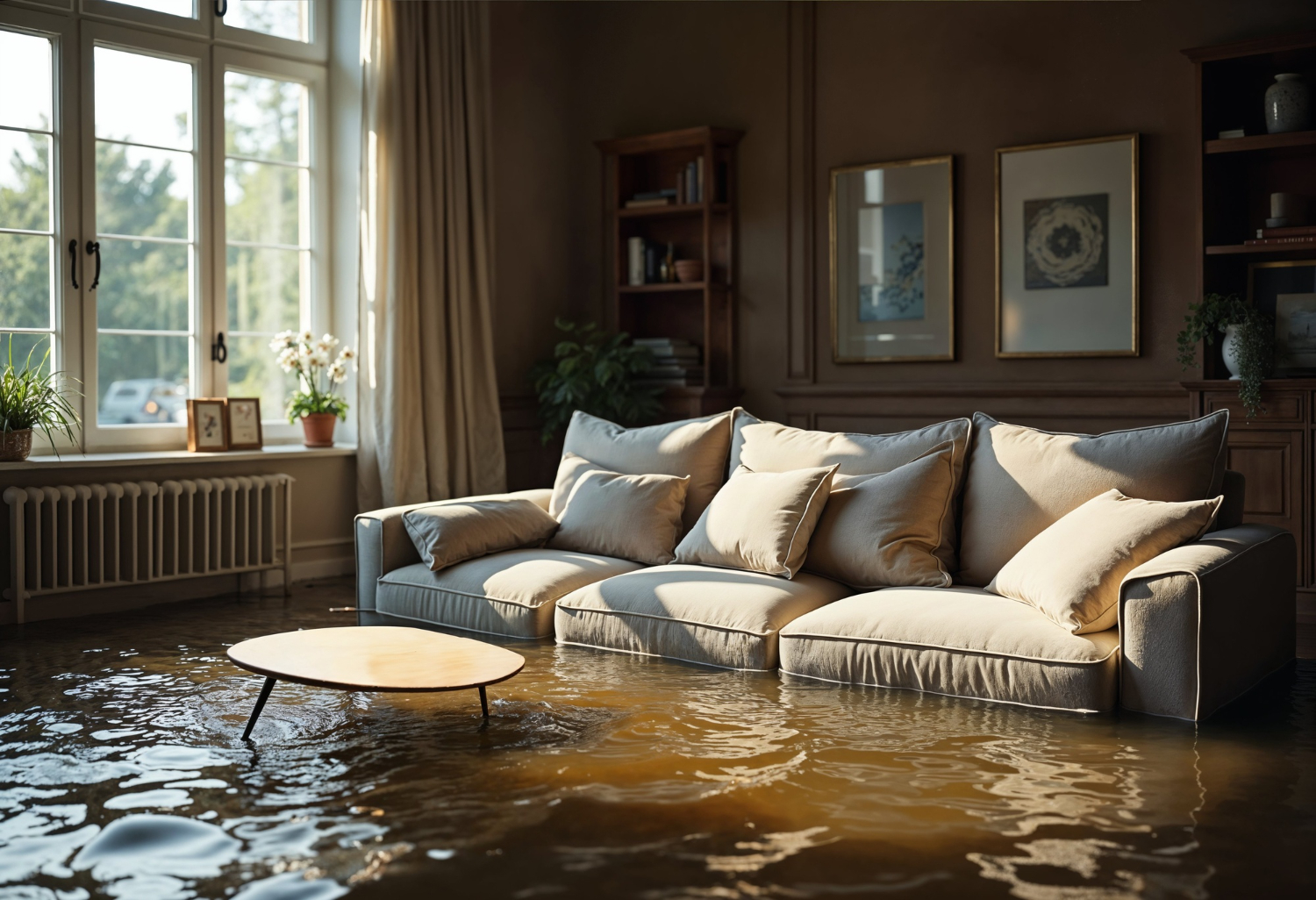
My Boiler is Leaking Water: What Should I Do?
Found Your Boiler Leaking Water? Here Are The Next Steps to Take Now
Finding a puddle of water underneath your boiler is enough to make any homeowner panic. When a boiler is leaking water, it's not just a mess to clean up; if left unchecked, it can cause severe damage to the internal components of your heating system and your home.
If your boiler is actively dripping or leaking, you need to act fast. Here is exactly what you should do to minimise the damage and keep boiler repair costs down before your local gas engineer arrives.
Step 1: Turn Off the Electrics IMMEDIATELY
Water and electricity are a disastrous mix. If water gets inside your boiler's Printed Circuit Board (PCB), which is essentially the "brain" of the boiler, it will fry the electronics.
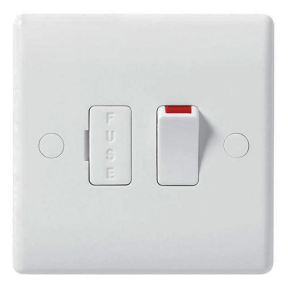
A wet PCB can easily double or even triple your total repair bill. To protect your boiler from an expensive electrical short, turn off the power supply right away. You can do this by:
- Switching off the fused spur (the switch on the wall next to the boiler).
- If you can't find it or it's unsafe to touch, go straight to your fuse box and trip the switch for the heating circuit.
Step 2: Isolate the Water Supply
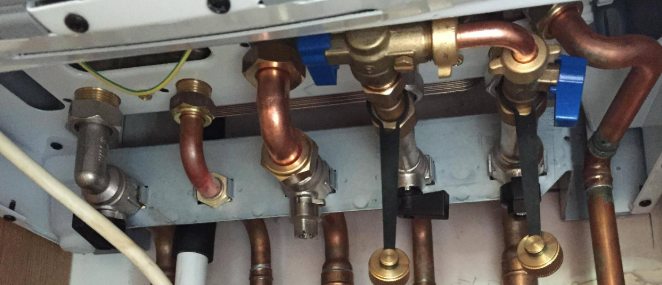
Once the power is safely off, you need to stop more water from feeding the leak. Look underneath your boiler and you'll see a series of pipes with valves on them.
You want to isolate the boiler from the rest of the system by turning off the flow and return valves, as well as the cold water inlet.
- Why is this important? By turning these valves, you limit the leak to only the volume of water currently sitting inside the boiler. If you don't isolate the pipes, the boiler could continue to drain the water from all your radiators, or worse, keep pulling in mains water, causing a major flood.
- Which valves are the correct pipes to isolate? If you're unsure which valves to close, don't panic and it'd probably be advisable to just close them all. Most combination boilers have 6 pipes underneath, but when your boiler is leaking water, your priority should be just getting everything isolated and safe.
- Might need basic tools. On some boilers they'll have easy to control handles. Whilst on other models you might need a screwdriver, wrench or set of grips to close the valves. If you've not got any tools handy, try using something like a 20p coin in the flat screwdriver slots as a temporary lever.
Step 3: Catch the Water
Now that you have stopped the flow of new water, put a bucket, washing-up bowl, or thick towels underneath the boiler to catch whatever water is left dripping from the casing. Keep an eye on it and swap out the towels as needed so it doesn't warp your worktops, ruin your flooring or damage the ceiling below (on first floor installations).
Step 4: Call a Gas Safe Registered Engineer
Generally a leaking boiler is not a DIY fix. Because the leak could be caused by anything from a corroded pipe and a blown seal to a cracked heat exchanger or a failing pressure valve, it needs to be diagnosed and repaired by a trained professional.
Opening up a boiler casing is illegal and highly dangerous for anyone who isn't certified, as it forms part of the room-sealed safety barrier.
Need Emergency Boiler Repair in Grimsby?
If your boiler is leaking, don't wait for a small drip to turn into a flooded kitchen or a fried circuit board. We provide fast, reliable, and Gas Safe registered repairs for homeowners and landlords across Grimsby, Cleethorpes, and the surrounding Lincolnshire areas.
We will diagnose the leak, replace the faulty parts, and get your heating and hot water back up and running safely.